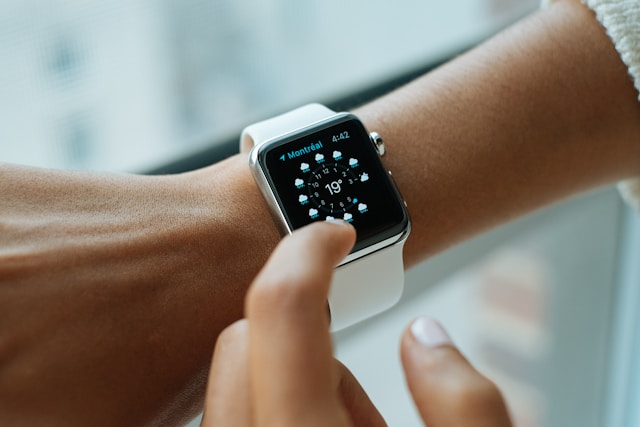
Wearable tech gear has become one of the fastest-moving segments in consumer electronics. Just a few years ago, smartwatches captured steps, movement and calories burned. Today, these devices monitor sleep, track heart health, guide workouts, make contactless payments, answer phone calls, and can even provide emergency assistance when something goes wrong.
According to Patrick Putman of Alabama, the next generation of wearable technology is becoming less about flashy gadgets and more about seamlessly integrating them into everyday life. Whether you’re shopping for yourself, looking to get a jump on holiday gift ideas, or simply curious about where consumer technology is heading, wearable devices are entering a fascinating new chapter.
Smartwatches Are Now Personal Wellness Centers
Consumer interest in tech gear continues to grow. In fact, global wearable device shipments reached more than 611 million units in 2025. If anything, it’s becoming more valuable by doing less that feels distracting and more that feels meaningful.
Early designs focused heavily on notifications. Every text message, social media update, calendar reminder, and email buzzed your wrist throughout the day. While convenient, many users eventually discovered they didn’t actually need another screen competing for their attention. Manufacturers have responded by placing greater emphasis on health and wellness.
Today’s devices monitor heart rate throughout the day, analyze sleep quality, detect irregular heart rhythms, estimate stress levels, and encourage healthier daily habits through subtle reminders rather than constant interruptions.
The next wave of smartwatches is expected to continue expanding health insights while improving battery life, reducing charging frequency, and delivering more personalized recommendations based on long-term trends rather than isolated data points.
Smart Rings Are Getting Serious Attention
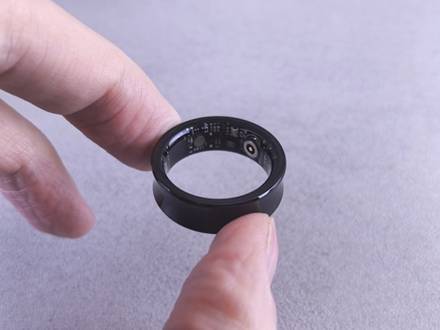
Smart rings have evolved from niche products into serious alternatives for people who want to monitor their health. Because they’re lightweight and discreet, many find rings more comfortable for sleep tracking than traditional smartwatches. They monitor movement, heart rate, temperature trends, and recovery while remaining almost unnoticeable during daily activities.
Smart Glasses Are Finally Becoming Practical
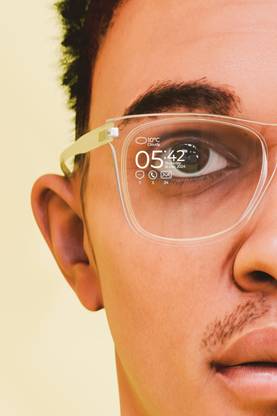
For years, smart glasses seemed permanently trapped between an exciting concept and practical reality. However, recent advances in price, voice controls, cameras, artificial intelligence, and battery efficiency are making them significantly more useful than earlier generations.
Rather than replacing smartphones entirely, future smart glasses are expected to complement them, allowing users to receive subtle notifications. The emphasis has shifted away from novelty toward convenience.
Artificial Intelligence Is Becoming the Invisible Assistant
Artificial intelligence has also become one of the most significant advancements in wearable technology, shifting devices from simply collecting data to providing meaningful insights. Rather than reporting that you had a poor night’s sleep or logged fewer steps than usual, future wearables will be able to recognize patterns over time, offering personalized recommendations to improve recovery, fitness, and overall well-being.
The same intelligence will enhance other everyday experiences, from adapting navigation based on your routine to enabling voice assistants that understand natural conversations with greater accuracy. Much of this innovation will happen quietly in the background, reducing the need for constant notifications or manual input. The most successful products will function as intuitive companions, delivering the right information and assistance at the right moment without demanding your attention.
Expanding Beyond Fitness
While fitness tracking remains one of the primary reasons people purchase wearable devices, manufacturers are expanding their capabilities far beyond athletic performance.
Parents are using GPS-enabled wearables to help keep track of younger children, while older adults increasingly rely on devices equipped with fall detection and emergency communication features that provide added peace of mind.
Frequent travelers are also benefitting from real-time navigation and language translation, while working professionals are turning to wearables to stay organized and productive throughout busy workdays and business trips.
Wearable devices are becoming increasingly common in the workplace, where they often work alongside smartphones, laptops, and cloud-based applications. As more connected devices interact with business systems, organizations benefit from implementing practical cybersecurity measures that protect sensitive information without disrupting productivity. Many of those improvements are surprisingly affordable and straightforward to implement.
Wearable tech is now more useful and appealing to a much wider range of users than traditional fitness trackers ever were.
Comfort Is Becoming a Competitive Advantage
One lesson manufacturers have learned is surprisingly simple; people won’t consistently wear devices that aren’t comfortable. As a result, enormous effort is being invested in making wearables lighter, thinner, and more attractive, resembling traditional jewelry or classic watches rather than obvious pieces of consumer electronics.
The future belongs to products that fit naturally into daily life without demanding constant adjustments or reminding users they’re carrying sophisticated technology.
Battery Life Is Finally Improving
Ask anyone who regularly wears a smartwatch what they would most like improved, and battery life usually appears near the top of the list. Fortunately, this area is seeing a lot of meaningful progress.
More efficient processors, smarter software, and improved battery technology are allowing wearable devices to operate longer between charges. Some products now last multiple days instead of requiring nightly charging. Others intelligently disable unnecessary features when they’re not being used.
Longer battery life may not generate dramatic product announcements, but it significantly improves the overall experience.
Privacy Will Matter More Than Ever
As wearable devices collect increasingly detailed information about our daily lives, privacy is becoming an important consideration.
Health information, location history, activity patterns, and biometric data are incredibly personal. Consumers are becoming more aware of how this information is collected, stored, and shared.
Fortunately, manufacturers are responding by providing stronger privacy controls, better encryption, clearer permissions, and more transparency regarding data usage. Privacy will become one of the biggest differentiators in wearable technology over the next several years.
Wearables Are Becoming Better Gifts
Wearable technology has become one of the most sought-after categories in consumer electronics, offering practical features that appeal to a wide range of ages, interests, and lifestyles. According to the Consumer Technology Association, 88% of U.S. holiday shoppers planned to purchase technology products, including smartwatches, wireless earbuds, and other connected devices remaining among the most popular gift categories.
Unlike highly specialized electronics, many wearable devices solve practical problems that almost anyone can appreciate. Even people who don’t consider themselves “tech enthusiasts” often discover that wearable devices become part of their daily routines once they experience their convenience.
The best tech gifts aren’t necessarily the most expensive, they’re the ones that improve life in small but meaningful ways every day.
The Most Exciting Innovation Is Simplicity
The devices generating the most excitement are no longer trying to impress users with complexity. They’re succeeding because they make ordinary tasks a little easier, help people stay healthier, simplify communication, or quietly provide peace of mind.
That’s when innovation reaches its highest point, not when people notice the gadget, but when they simply notice that life has become a little easier because of it.
Whether you’re shopping for the holidays, planning your next upgrade, or simply curious about where consumer electronics are headed, wearable technology is worth watching. The most exciting devices on the horizon aren’t trying to change who we are. They’re designed to support how we already live, making everyday moments healthier, smarter, and just a little more convenient.